Pine Barrens Personhood: Another Layer of Protection
Environmental activists recently filed a class action lawsuit to protect the Pine Barrens. The judge ruled they had no standing, but the Pine Barrens could have standing. The Whanganui River teaches how.

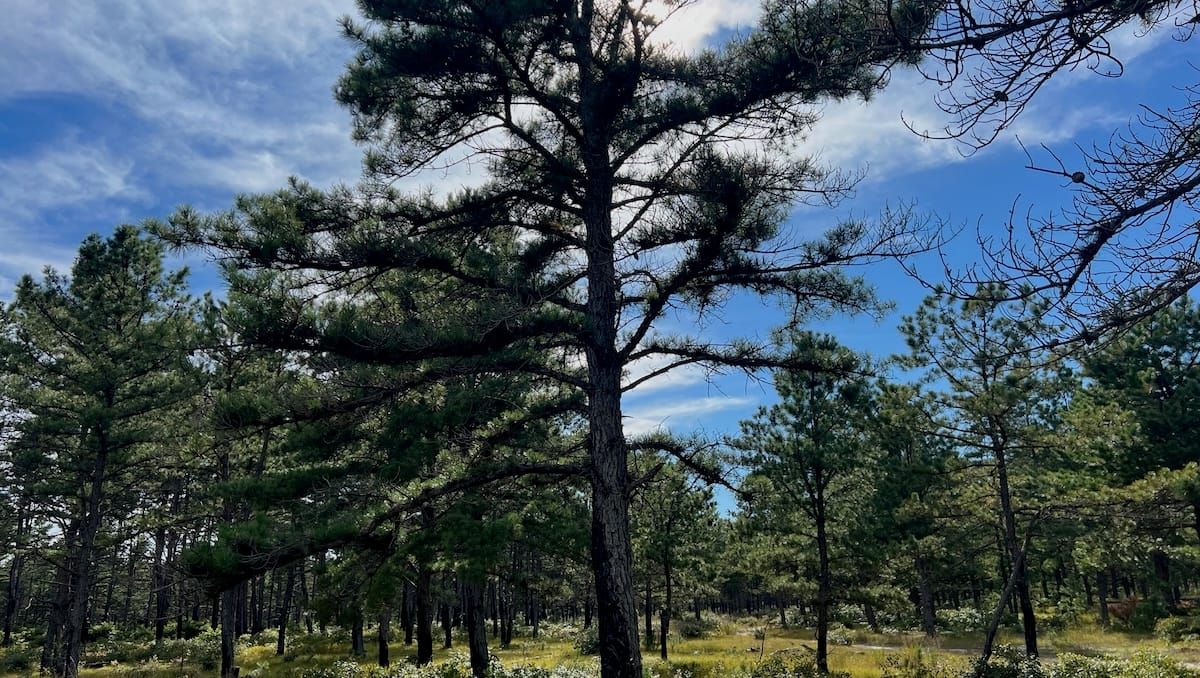
Environmental activists recently filed a class action lawsuit to protect the Pine Barrens. The judge ruled they had no standing, but the Pine Barrens could have standing. The Whanganui River teaches how.
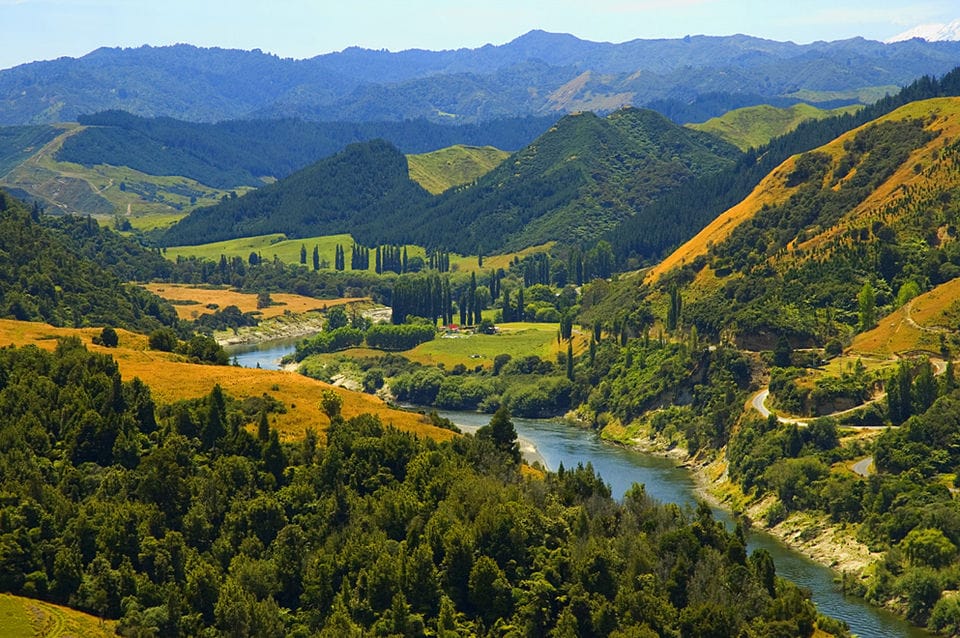
The Whanganui River Claims Settlement (2017) set forth boundaries, a governing structure, and legal rights of personhood. The River can own property, borrow money, sign contracts, file lawsuits, and otherwise engage in the social, cultural, and spiritual interrelationships of a functioning society. There is a sense of indivisibility and completeness that Long Islanders aren't accustomed to hearing: "I am the river and the river is me." Nor are we accustomed to the River speaking its needs through the Māori Iwi (tribes) who have generational knowledge and ways of knowing that can be consulted during the governing process in partnership with the Crown (the New Zealand government) [1], [2].
The Pine Barrens is a place of boundaries, governance, communities, and stakeholders. It was modeled after the UNESCO’s Man and the Biosphere (MAB) Program where each reserve has a core, buffer, and transition area. Local communities and stakeholders are involved in reserve stewardship [4]. One difference between MAB and the Long Island Central Pine Barrens is the compatible growth Area (CGA) "where appropriate patterns of development and regional growth shall be permitted [5]. Most likely, another difference is Pine Barrens governance: a complex organizational structure of agencies, organizations, staff, boards, councils and stakeholders [6].
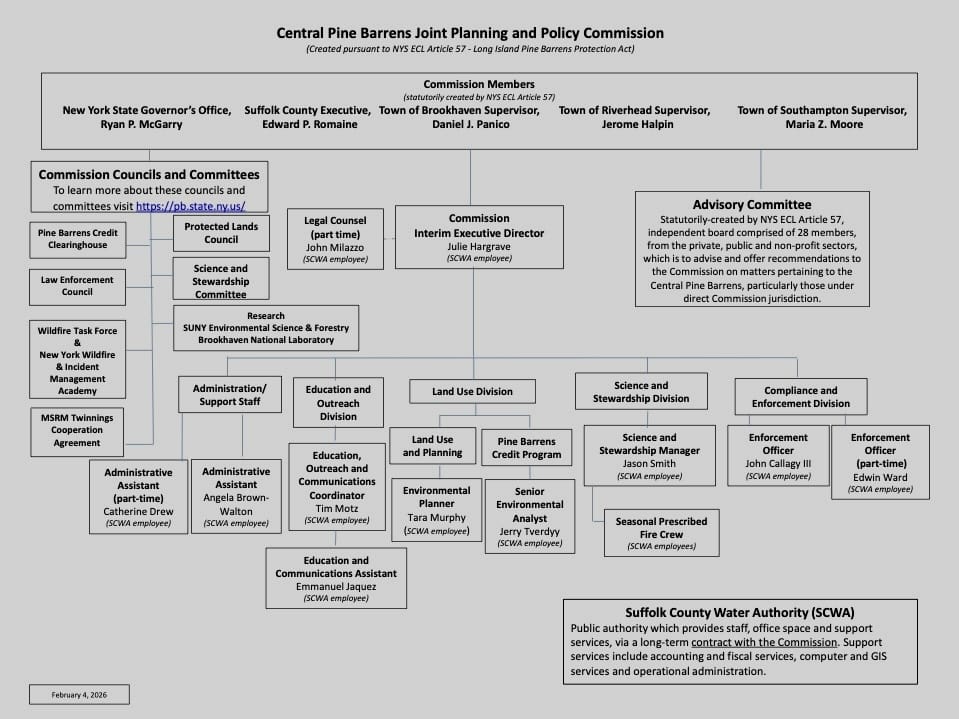
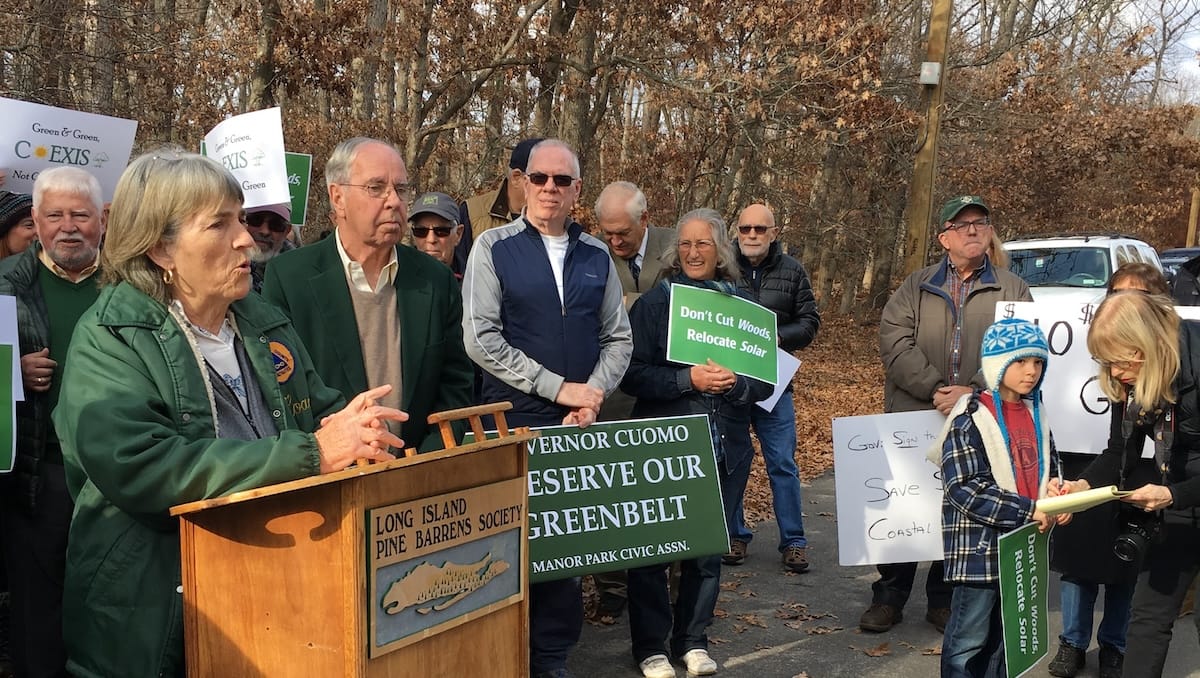
The Central Pine Barrens Joint Planning & Policy Commission works with developers to reduce impacts. External stakeholders also advocate with letters, meeting attendance, protests and/or filing class action lawsuits. Relevant to this article was a recently filed class action against development failed to get standing because none of the petitioners would suffer harm [7]. The Pine Barrens could file a lawsuit with personhood. Though it has no Māori Iwi (tribes) equivalent to speak its needs, it does have stakeholders who have spent countless hours building ways of knowing the Pine Barrens.
Quality Parks is looking for donations to keep writing about local park related topics as well as actions to safeguard public access. Please consider a donation.
References
[1] - https://www.legislation.govt.nz/act/public/2017/7/en/latest/#DLM6830851
[2] - https://www.cambridge.org/core/journals/american-political-science-review/article/ecological-personhood-a-bridging-approach/48C194ACFCF007694462FB2ABB8B94F6
[3] - https://commons.wikimedia.org/wiki/File:Whanganui_River.jpg
[4] - https://www.unesco.org/en/mab/wnbr/about
[5] - https://www.nysenate.gov/legislation/laws/ENV/A57T1
[6] - https://pb.state.ny.us/about-us/organizational-chart/
[7] - https://www.lilanduseandzoning.com/wp-content/uploads/sites/937/2022/02/Thiele-v.-Town-of-Southampton-Zoning-Bd.-of-Appeals_-20.pdf